

NEW "Yin & Yang" teaware collection – find inner balance with every sip

2012 Old Tree
Liu Bao Heicha P.Free

Super Premium 96 P.

SKU
7018
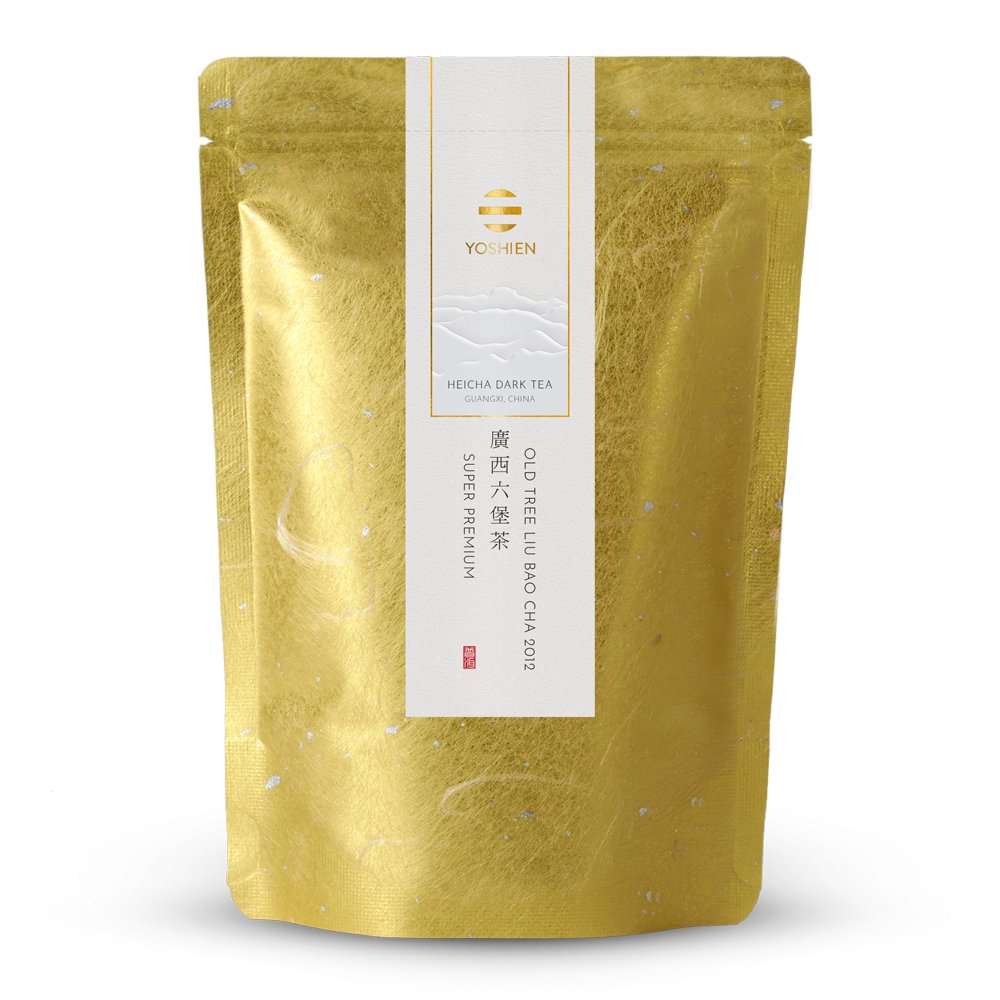
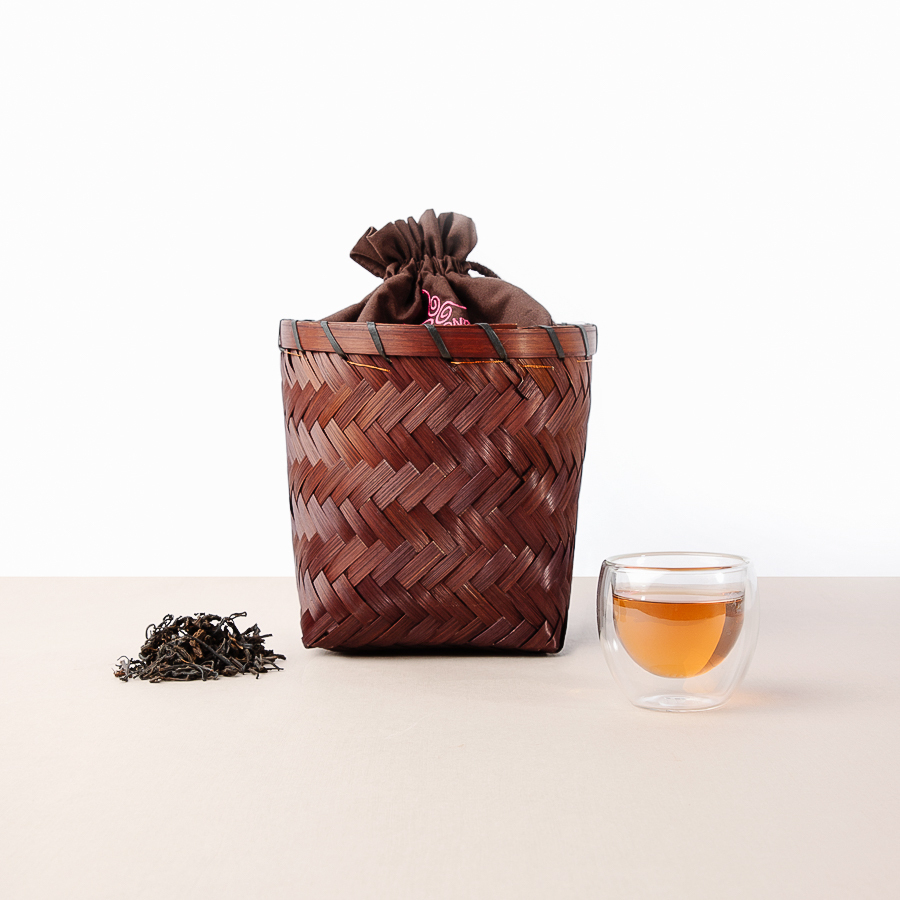
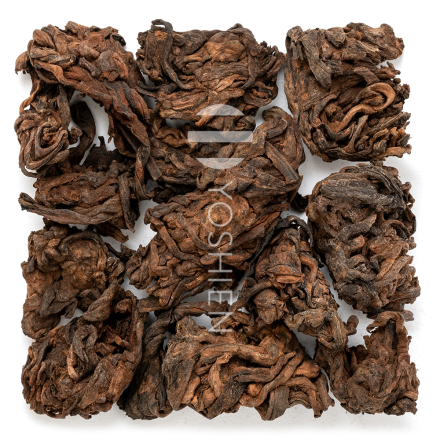
Exceptional Liu Bao Heicha from some of the oldest tea trees near Liu Bao Town, Guangxi. Grown by one of the few farms in the region that completely avoids the use of chemical pesticides. Traditionally fermented for 12 hours and gently aged in bamboo baskets since 2012. 100g
  • Post-fermented tea speciality from Guangxi
  • Highly prized in traditional Chinese herbalism
  • Pleasantly mild and sweet, with a warming, balancing character
  • Crafted from leaves of the oldest tea trees in the garden
  • Carefully aged in traditional bamboo baskets since 2012
  • From a renowned traditional farm near Liu Bao Town, celebrated for its exceptional quality
  • Grown entirely naturally, without chemical pesticides – a true rarity in the region
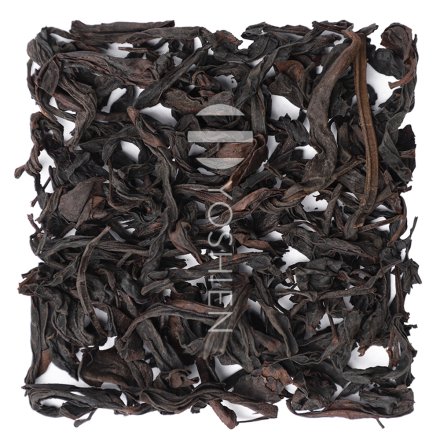
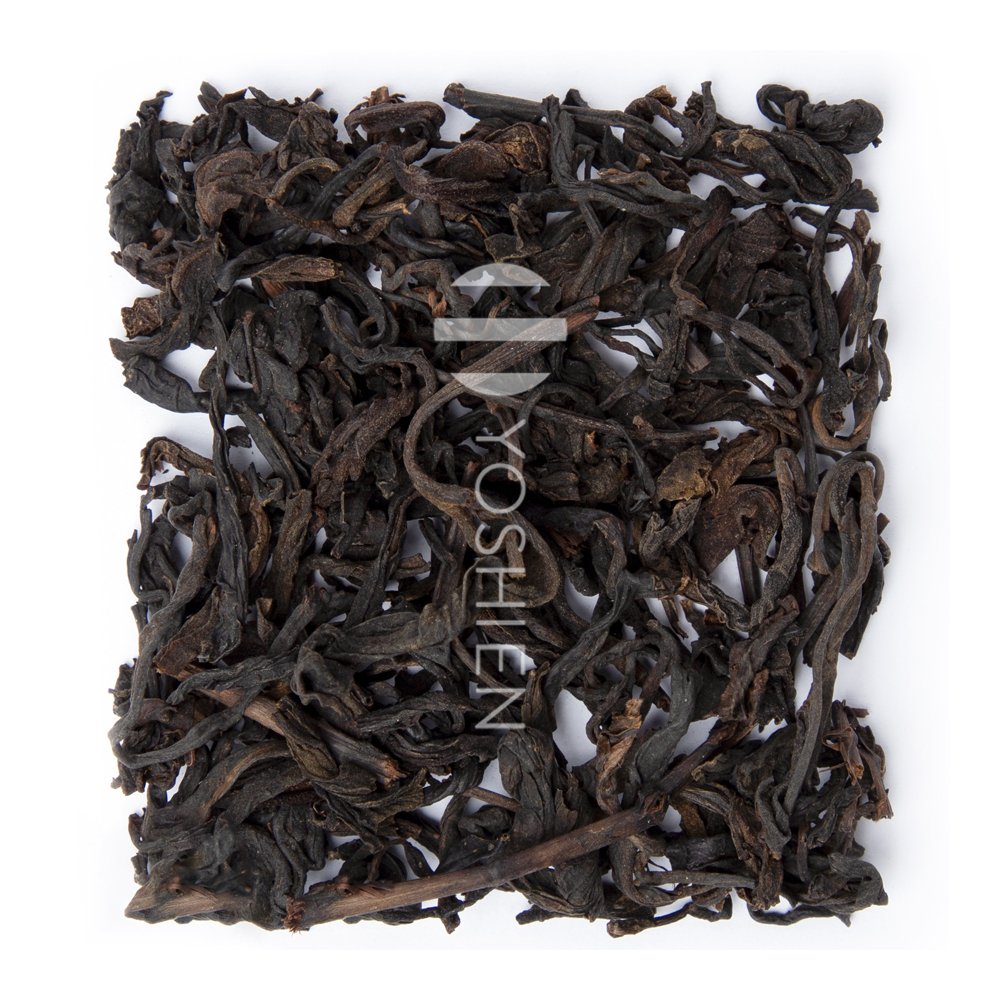
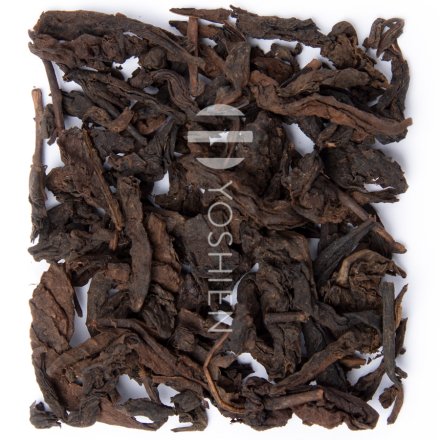
Character Hints of prune and autumn leaves, flavoursome, harmonious, easy to drink and aromatic
Tea Farm Traditional, award-winning tea farm in a secluded location, renowned for its ecological and social commitment
Terroir Liu Bao Town, Guangxi, China
Harvest Spring 2012
Cultivar Guangxi Liu Bao Medium-leaf / Old Tree
Elevation 350m
Oxidation/Fermentation  Withering of the leaves in the open air on bamboo wood, halting oxidation by roasting in a wok (Kill Green), rolling, sun drying, layering of the leaves in layers, controlled fermentation for 12 hours, heating of the leaves, pressing of the leaves in bamboo baskets, ageing for many years
Cultivation Cultivated without the use of chemical pesticides
Grade 96/100 p. (fermented tea category); Super Premium
€26.90
100g

Delivery : up to 5 business days

Incl. VAT, excl. shipping

SKU
7018
€269.00 / 1kg
In stock
Aged Liu Bao Heicha Old Tree 2012 P.Free Aged Liu Bao Heicha Old Tree 2012 P.Free Aged Liu Bao Heicha Old Tree 2012 P.Free Aged Liu Bao Heicha Old Tree 2012 P.Free Aged Liu Bao Heicha Old Tree 2012 P.Free

Tea Farm

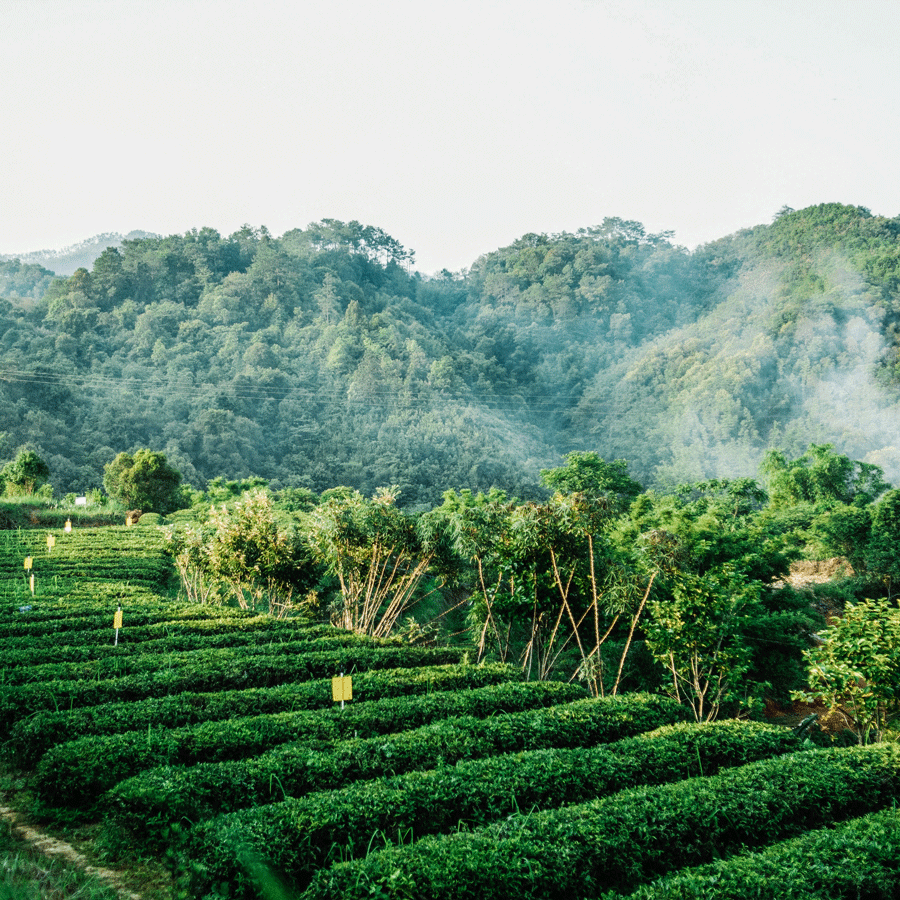
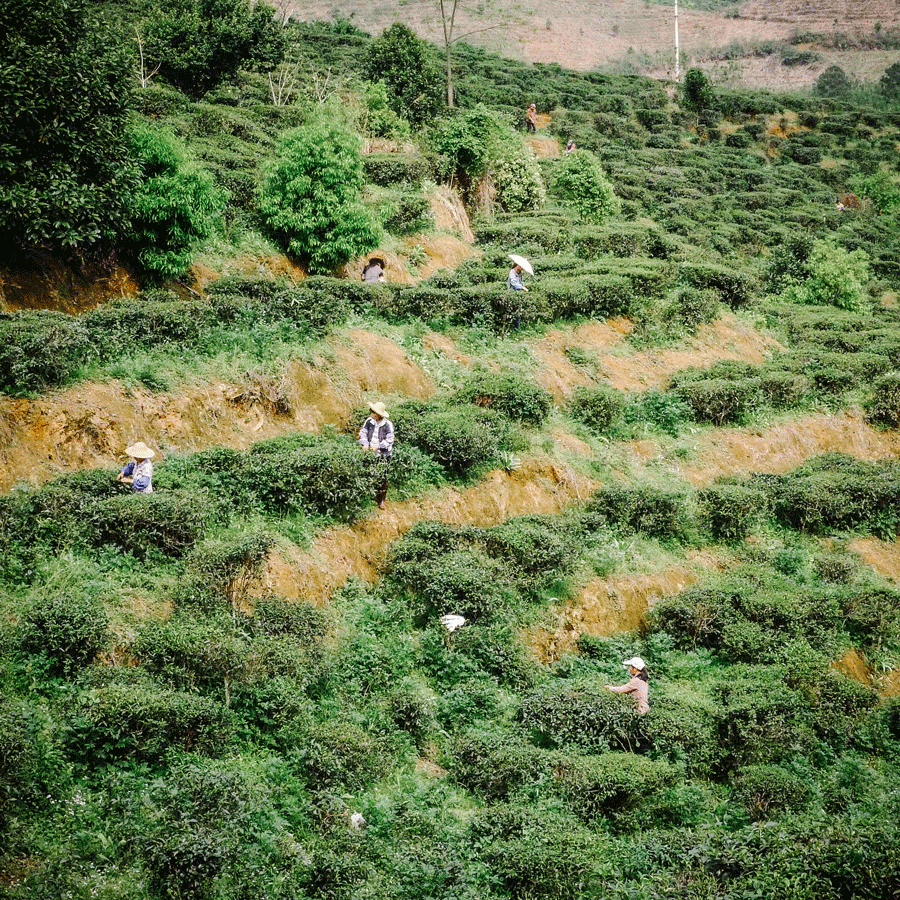
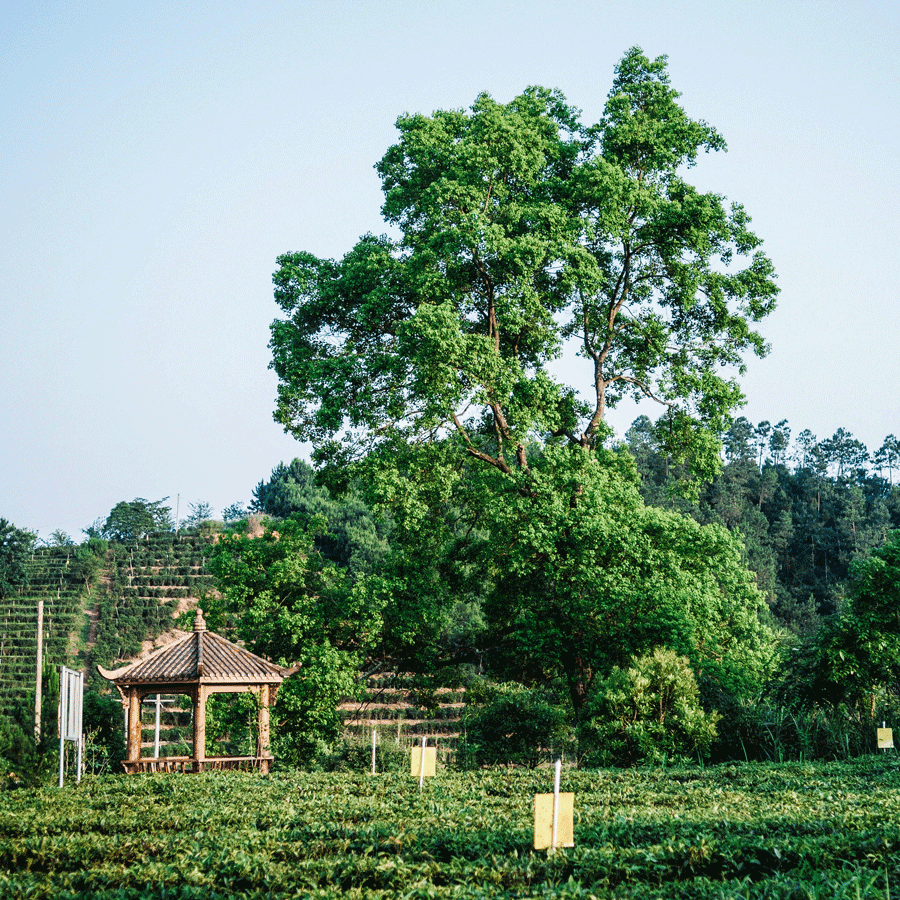
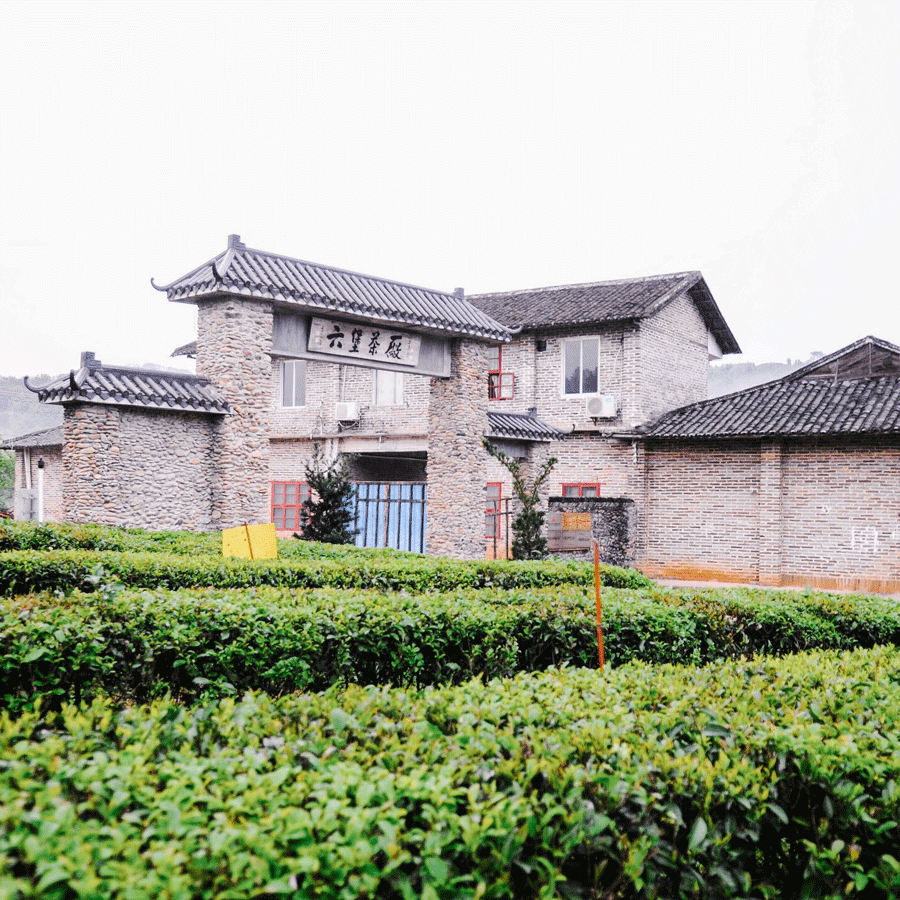
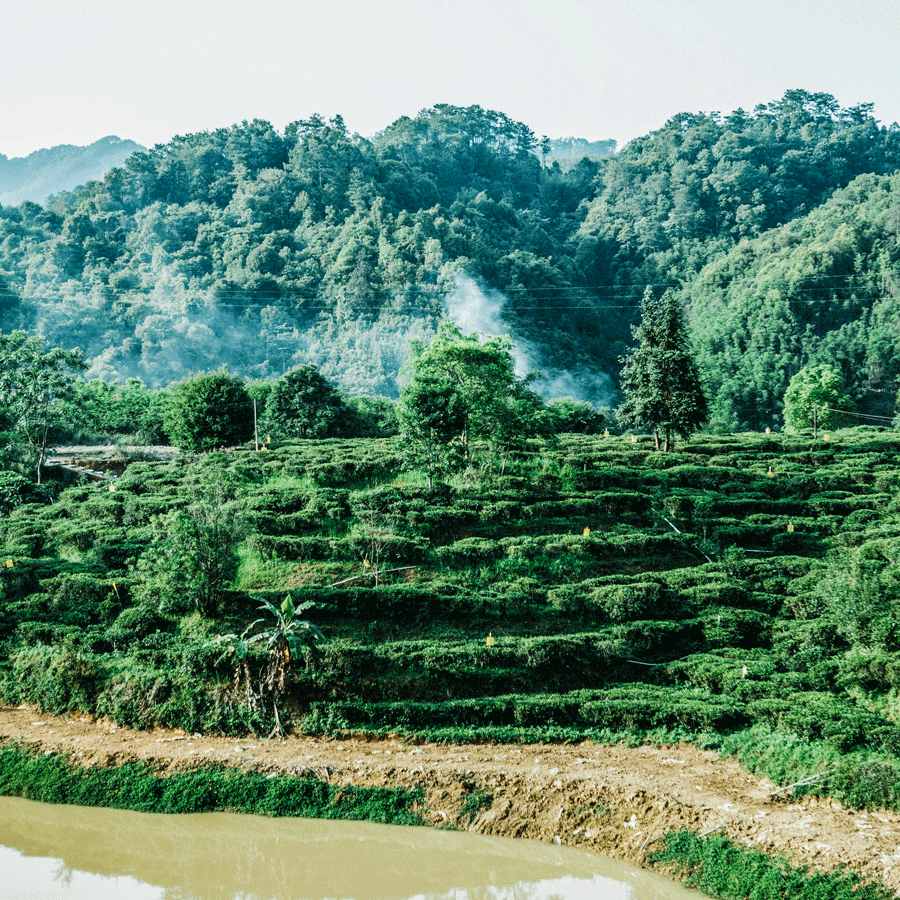
We source this high quality Lia Bao from a secluded tea farm near Liu Bao Town, the tea's authentic place of origin. The farm is one of the few in the entire region that is fully committed to natural tea cultivation without synthetic fertilizers or pesticides. As a testimony to this, the farm has a large number of old-growth Liu Bao trees. It has been awarded several times for its ecological and also social commitment.

Aged Liu Bao Heicha Old Tree 2012 P.Free

Character

Tasting Notes

The character of Liu Bao is quite unlike that of any other tea – and not particularly easy to put into words. Much of its flavour is shaped by the quality and method of fermentation, followed by years of ageing in traditional bamboo baskets. Fermentation gives the tea its deep sweetness and characteristic gently earthy, autumn-leaf notes, familiar from Shou Pu Erh, while the bamboo lends a subtle, sweet woody character. Time brings these elements together, giving the tea its harmony, balance and depth. Younger Liu Bao, aged for less than five years, can often taste simply unfinished, with its individual flavours yet to fully come together.

This exceptional Liu Bao is above all remarkably clean and natural in character – an important hallmark of quality, particularly in fermented teas. This purity reflects both the pristine, water-rich and secluded terroir in which the tea is grown and the considerable expertise of the tea farm.

What makes this Liu Bao particularly special, alongside more than ten years of ageing, is the quality of the leaves themselves: they were harvested from some of the oldest tea trees in the garden. The result is a wonderfully complex, multi-layered tea. Intensely aromatic, it has an intriguing touch of astringency that can be felt on the tongue and palate, beautifully offset by a mellow, vanilla-like sweetness. Hints of dried apricot mingle with the flavoursome, earthy, and leafy character so typical of Liu Bao.

The tea responds particularly well to longer infusions, but can equally be prepared with many short steeps, retaining an impressive amount of flavour from one infusion to the next.

With further ageing, it will continue to develop even greater depth and complexity.

Aged Liu Bao Heicha Old Tree 2012 P.Free

Liu Bao

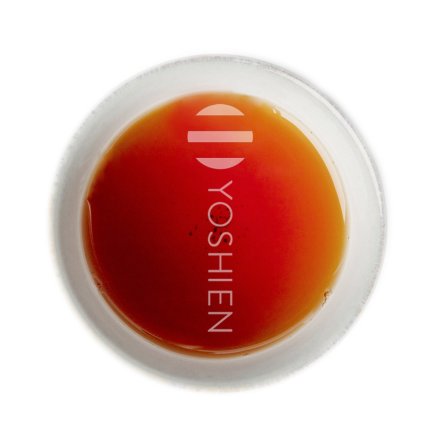
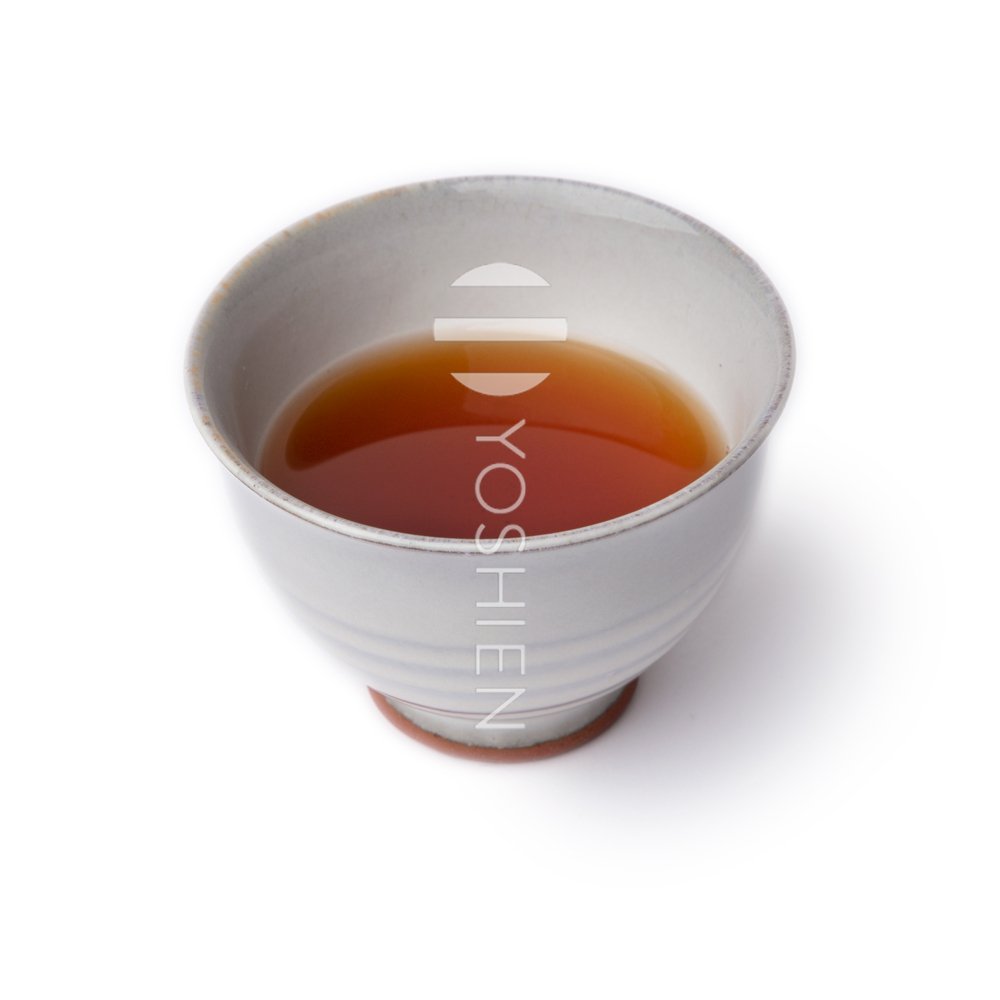
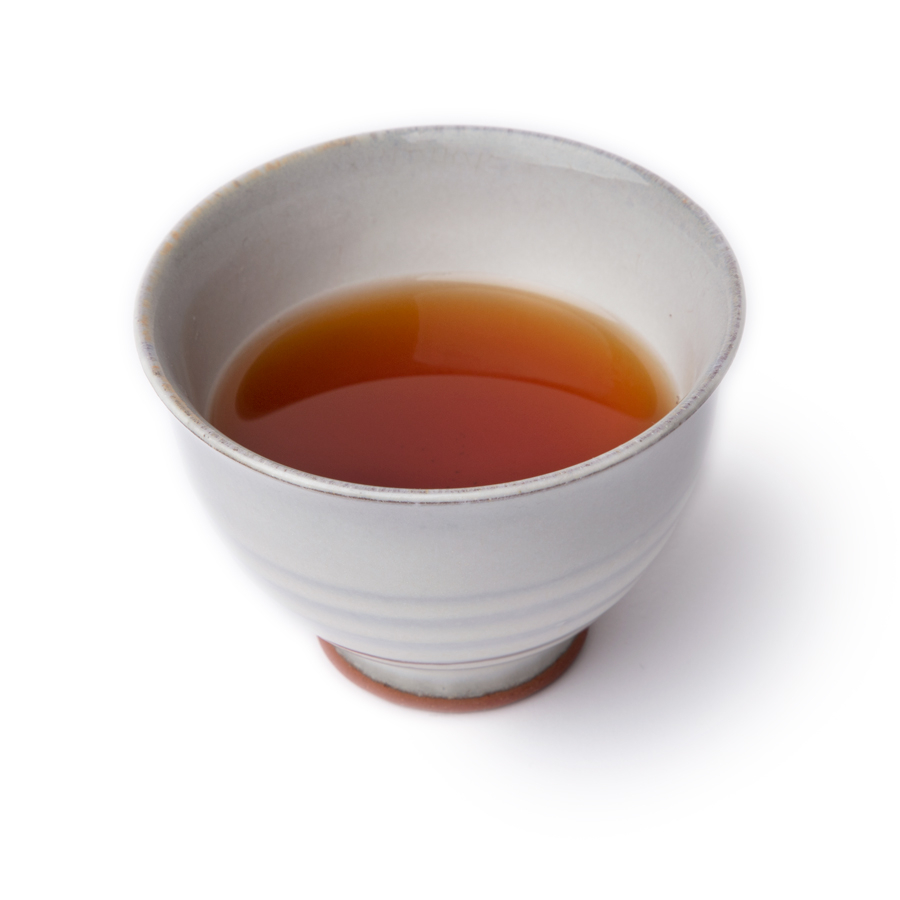
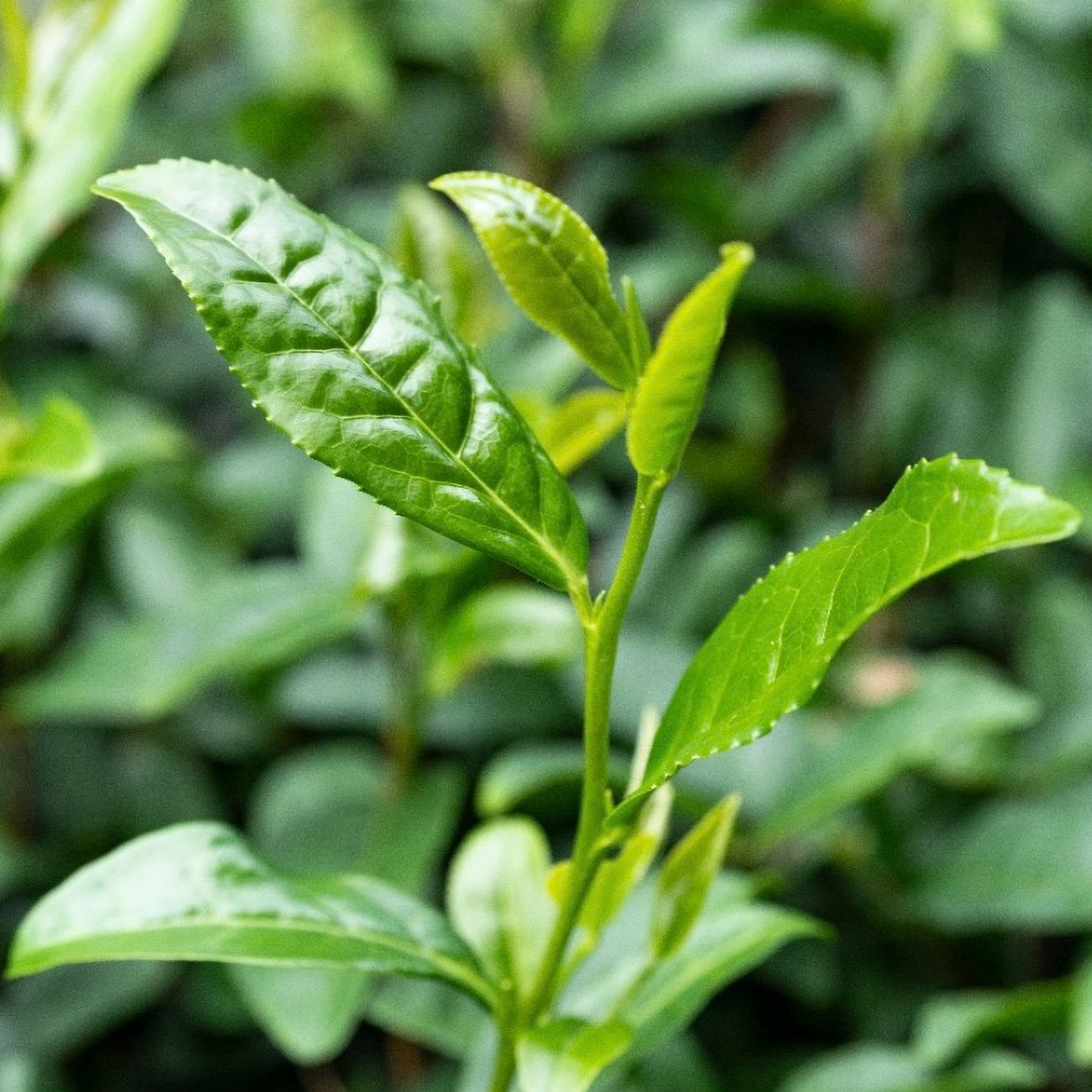
Liu Bao is a post-fermented tea speciality from China’s Guangxi Province. It belongs to the category of Hei Cha, or dark tea – a fitting name given the deep colour of its infusion, which can appear almost black. It is made from a distinctive large-leaf cultivar native to Guangxi.

The history of Liu Bao stretches back to the Qing dynasty (1644–1911), when the tea was prized as a tribute tea for the imperial court. Much like Pu Erh, Liu Bao continues to mature and ferment with age, gradually changing both in flavour and overall character. Older teas tend to become fuller, richer and deeper, and are traditionally appreciated for their grounding, soothing character. Well-aged Liu Bao can be highly valuable, with rare examples commanding considerable prices at auction, much like aged Pu Erh.

Liu Bao also has a long-standing place in traditional Chinese herbal culture. It is sometimes described as an adaptogenic tea and traditionally regarded as having both cooling and warming qualities. One particularly interesting chapter in its history is its association with Chinese migrant workers in Malaysia, who drank Liu Bao while working in the hot, humid and demanding conditions of the country’s mines.

Today, Liu Bao is increasingly sought after by tea connoisseurs for its distinctive aged character and as an intriguing, often somewhat mellower alternative to Pu Erh.

Yoshien Labortests

Laboratory Tests

We go to great lengths to identify the finest organic tea farms across the world’s most celebrated terroirs. All our teas are sourced directly from the farmer and, with a few exceptions, are certified organic or come from pesticide-free farms. Each batch of tea for every harvest is tested for pesticides and other pollutants in an independent German lab to ensure they meet our strict quality standards as well as HACCP food safety requirements.
Yoshien

Yoshi En

Premium Organic Teas

Our comprehensive portfolio focuses on organic, single-origin teas sourced directly from renowned farms. We believe in creating partnerships with farmers who share our values and are committed to sustainable, responsible tea cultivation. Thanks to these strong relationships our exciting range is constantly growing and evolving. As an international team of dedicated and passionate tea experts, we are committed to preserving centuries-old tea culture while ensuring it remains relevant and continues to bring joy in the present. About Yoshi En.

Cultivation & Processing

The tea garden is home to a particularly large number of old tea trees, and new plants are propagated from its own cuttings.

To make Liu Bao, the freshly harvested leaves are first spread out on flat bamboo trays and left to air-dry. They then undergo shā qīng, a heating process also used in the production of many other Chinese teas, which halts further oxidation. Rotating ovens keep the leaves in constant motion, ensuring that they are heated evenly. The leaves are then rolled to give them their characteristic shape and dried. At this stage, the tea is essentially still a green tea.

What follows is the defining stage in Liu Bao production, transforming the leaves into a post-fermented Hei Cha. During a process known as wo dui, the leaves are piled and moistened with water. Depending on the ambient temperature, the piles may also be covered with cloth to create a particularly warm and humid environment. The leaves are left to ferment under these conditions for around twelve hours, during which they undergo a striking transformation, becoming noticeably darker and softer.

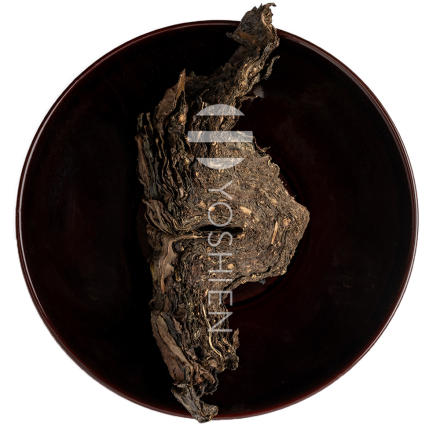
Once fermentation is complete, the leaves are heated before being repeatedly compressed and loosened again. The tea is then traditionally packed into bamboo baskets, where it is left to mature. Bamboo has a long history in China as a material for storing tea: it keeps the leaves closely packed together, encouraging even maturation, while still allowing the air circulation essential to the ageing process. Bamboo is also traditionally used in the storage and packaging of Pu Erh tea.

Liu Bao is generally not released for sale until it has been aged for at least a year, allowing its characteristic flavour profile to develop. With longer maturation – as in the case of this Liu Bao – the tea gains further depth, richness and intensity.

Another distinguishing feature of this particular Liu Bao is the farm itself, which has a documented commitment to cultivating its tea without chemical pesticides. This remains relatively unusual among Liu Bao producers today, many of whom use synthetic crop-protection products in their tea gardens.
Preparation

Brewing guide

2 heaped tsp. per 100ml (100°C) water. Steep briefly (15-30 seconds). Suitable for several infusions.

Packaging

High quality, airtight, resealable standing zipper pouch with 9 protective layers to preserve flavour and protect against oxidation and contamination.

Recommended Teapot

Ideal for this tea is a porcelain gaiwan or a teapot made of Yixing clay

Recommended Storage

Ideal is a high-quality tea caddy made of cherry bark (solid wood, Kabazaiku Chazutsu), alternatively a cheaper, internally coated, airtight tea tin.

Our recommendations

Loading...
The image could not be loaded.