
Gushu Sheng Pu Erh
Dragon Pearls 2021 P.Free

Premium 94 P.

SKU
7028
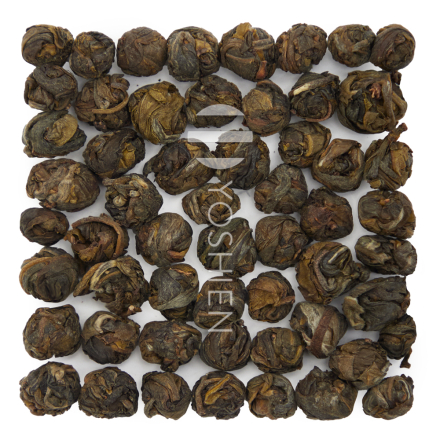
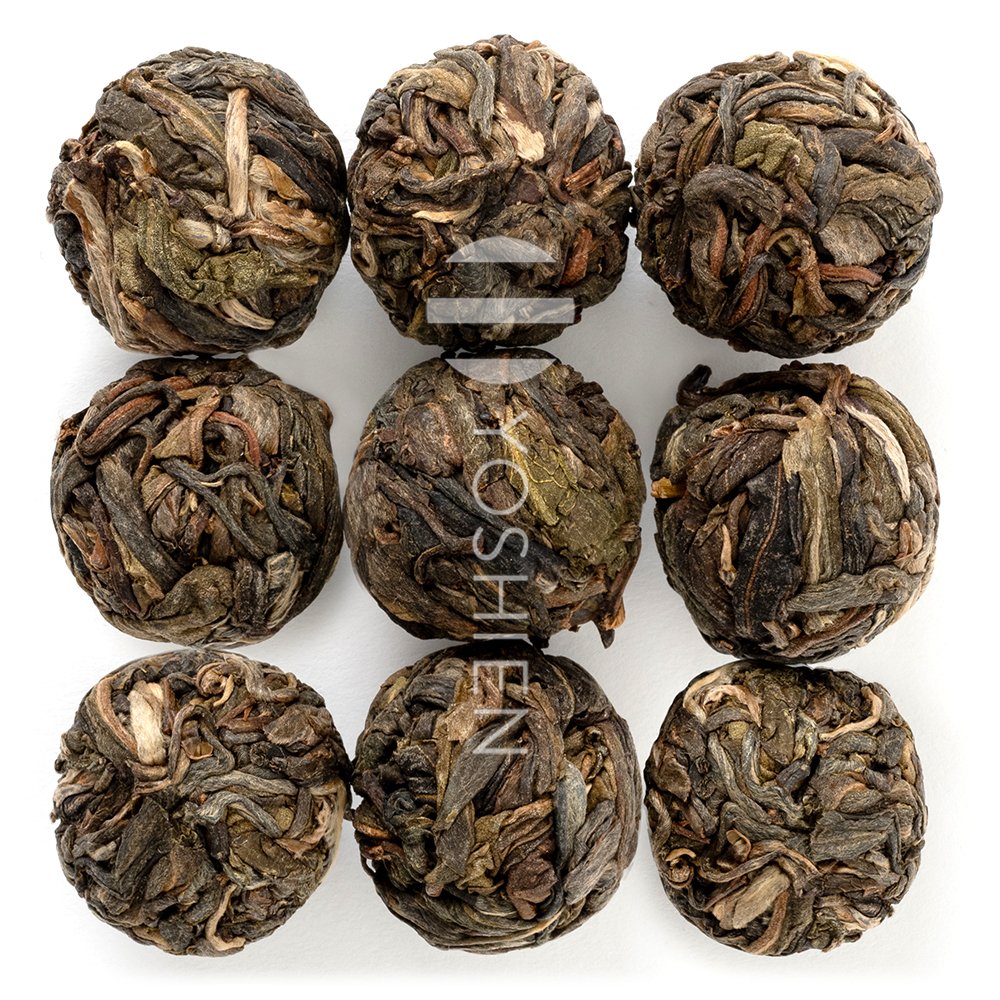
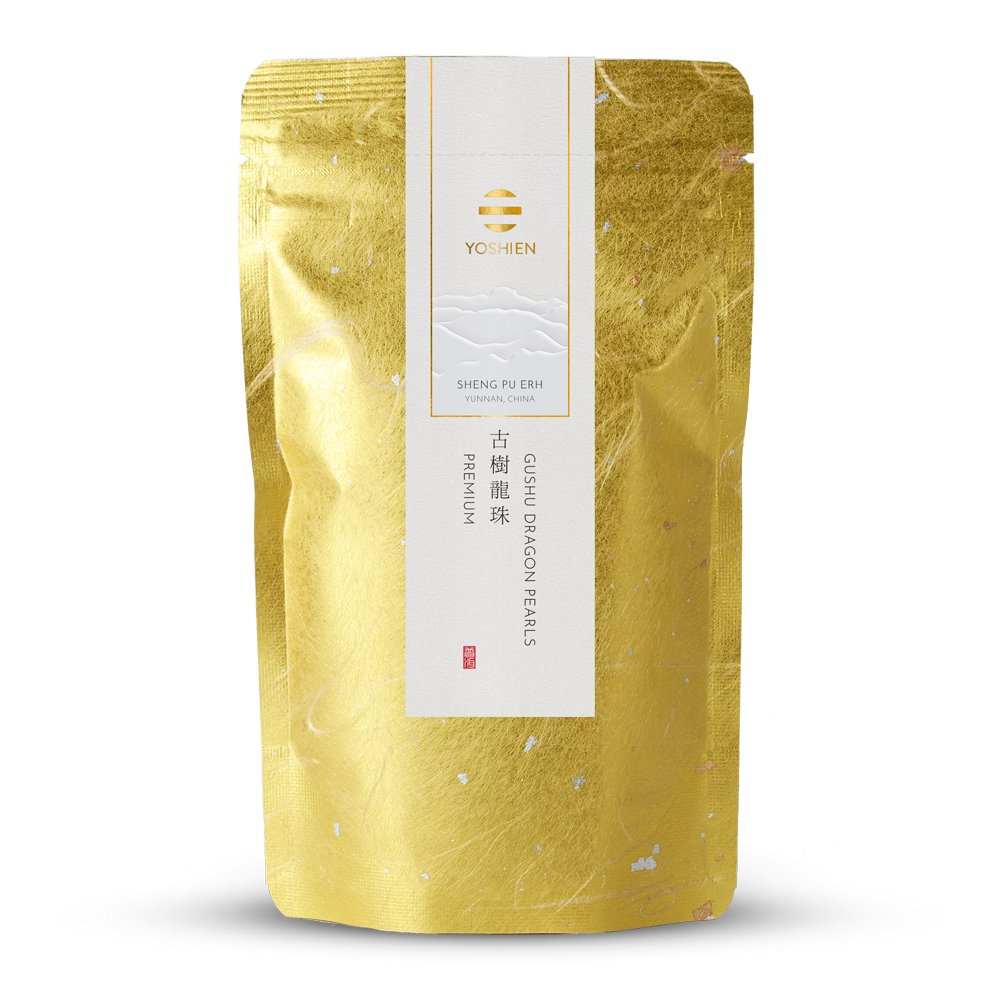
Very mild, natural and thirst-quenching Sheng Pu Erh Dragon Pearls, conveniently portioned into 5g servings, excellent for Pu Erh newcomers or enjoying on-the-go. Made from the leaves of old Gushu trees growing semi-wild on a remote family-run farm on Xigui mountain in Lincang. Cultivated without pesticides, harvested and rolled by hand in 2021, and aged ever since. 10 x 5g
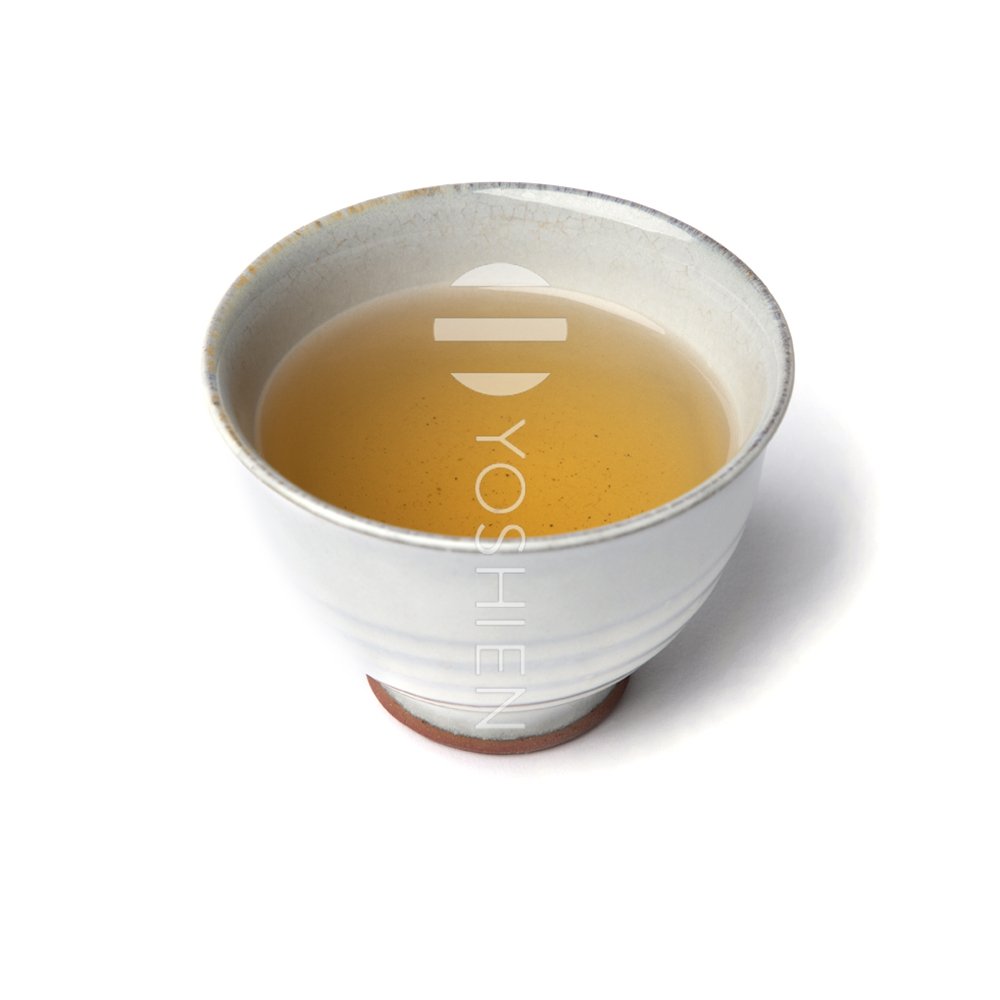
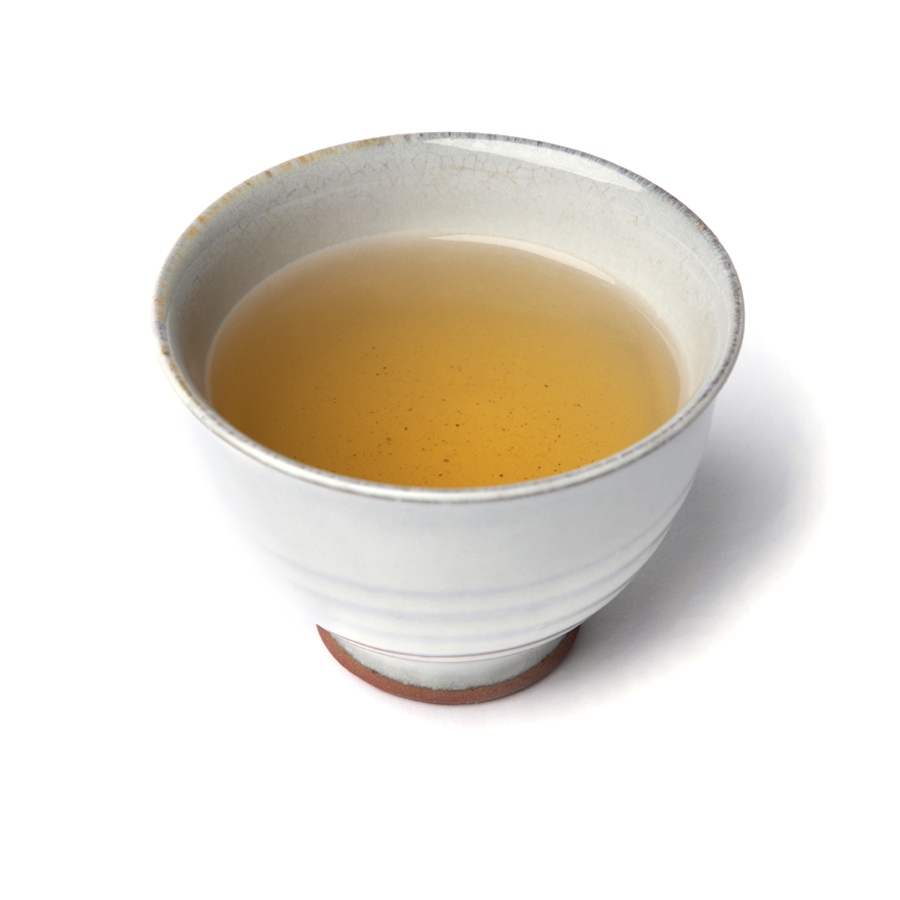
Character Mildly sweet, pleasantly bitter, natural, clear, vegetal
Tea Farm Family-run farm in Lincang
Terroir Bangdong, Lincang, Yunnan Province, China
Harvest Spring harvest 2021, March/April
Elevation 1850m above sea level
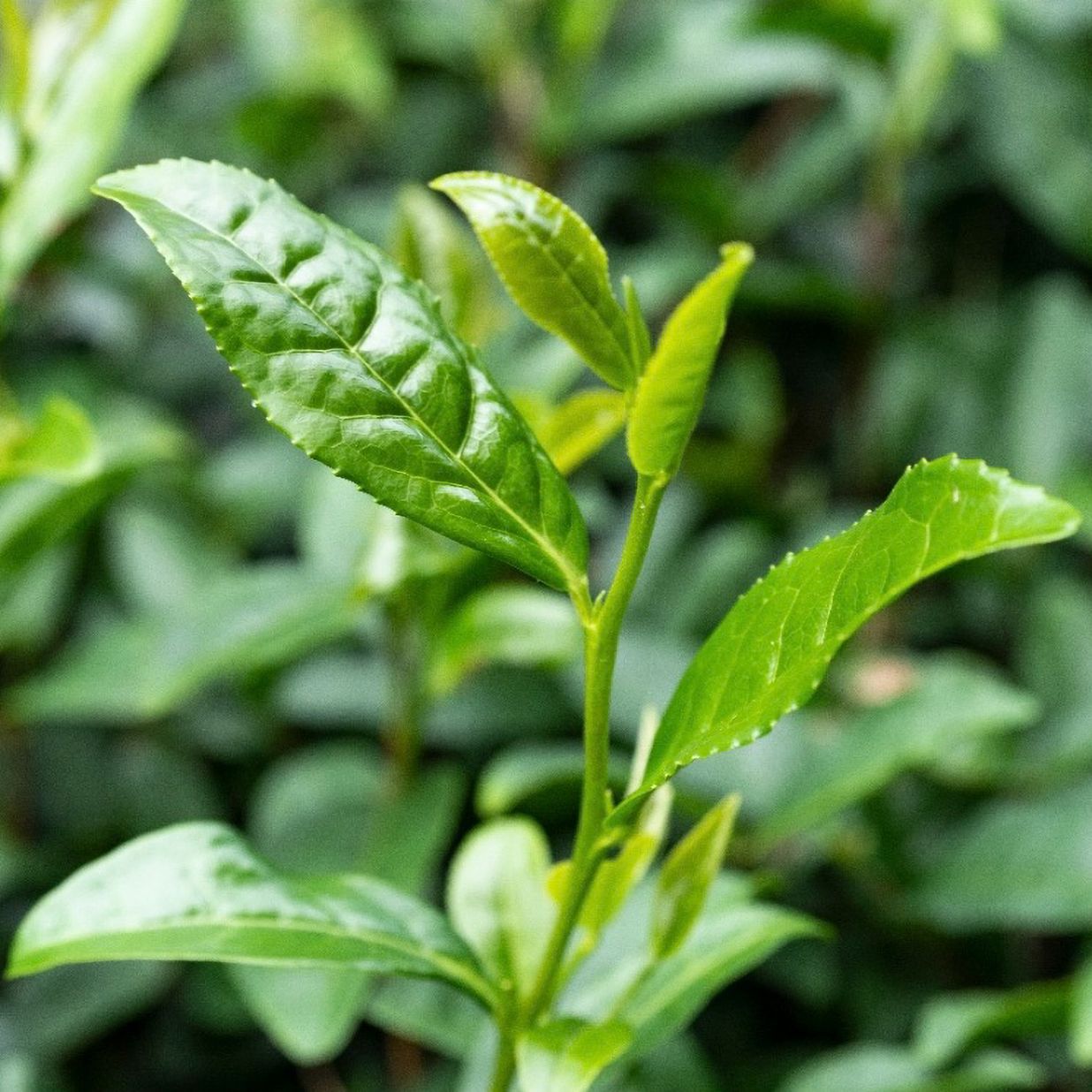
Cultivar Yunnan Da Ye Zhong (large leaf)
Cultivation To protect the old trees, no chemical pesticides or synthetic fertilisers are used
Processing Indoor withering followed by halting oxidation via roasting in a wok ("kill green"), rolling into ball form and sun-drying
Grade 94/100 P. (Sheng Pu Erh category); Premium
€22.90
50g

Delivery : up to 5 business days

Incl. VAT, excl. shipping

SKU
7028
€458.00 / 1kg
In stock
Sheng Pu Erh Gushu Dragon Pearls 2021, 10x5g Sheng Pu Erh Gushu Dragon Pearls 2021, 10x5g

Tea Farm

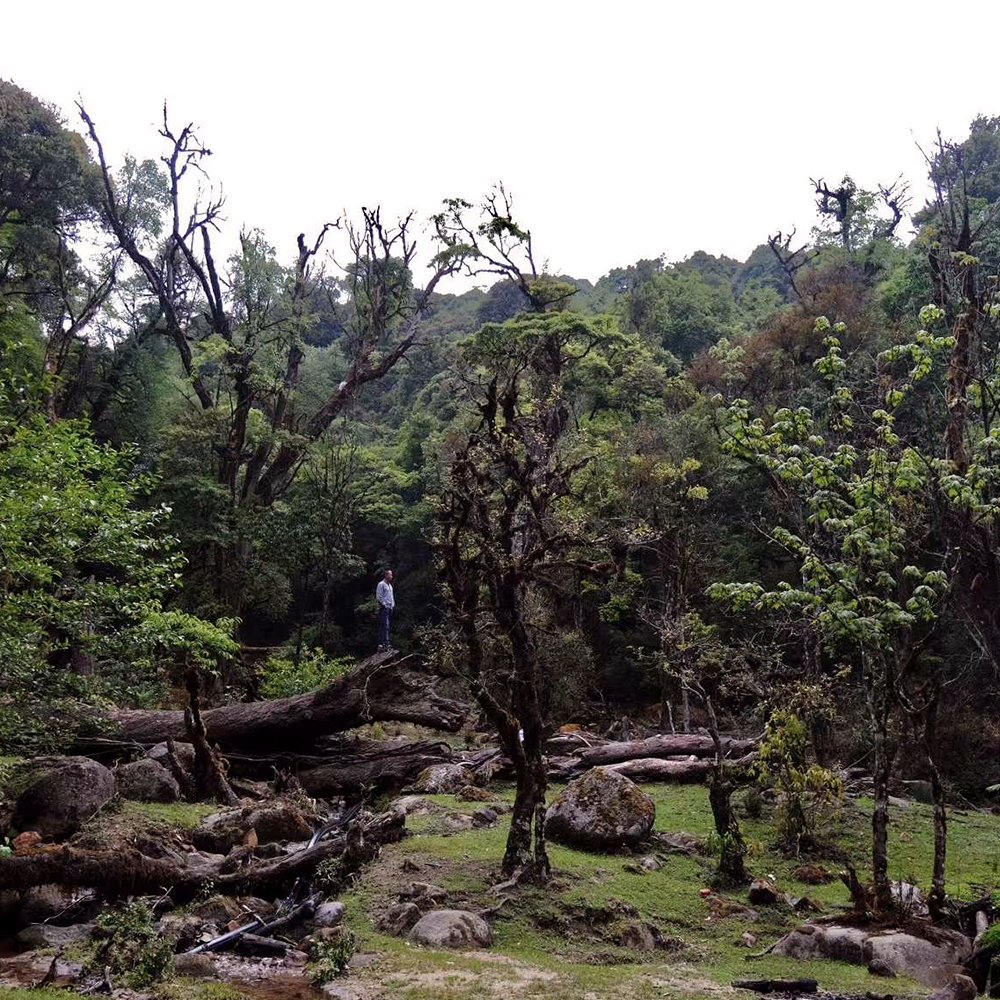
The tea garden is located in southwestern Yunnan, in the Lincang area. It lies along the middle reaches of the mighty Lancang River (瀾滄江), on the slopes of Xi Gui Mountain at an impressive altitude of 1,850–2,000 metres. The combination of high elevation and proximity to the river means that the garden is enveloped in clouds and mist for much of the year.

The area is particularly rich in ancient tea trees, some of which are estimated to be over 500 years old. They grow among and upon the rocks, absorbing trace elements and minerals that lend the tea its distinctly mineral character – known in Chinese as Yan Yun (岩韵), which loosely translates to "rock resonance".

Sheng Pu Erh Gushu Dragon Pearls 2021, 10x5g

Character

Tasting Notes

These tightly rolled Dragon Pearl tea balls yield many infusions that gradually become more intense and full-bodied as the leaves slowly unfurl. This tea has a consistently mild, natural taste with the characteristic sweet, bitter and vegetal-tart notes of Sheng Pu Erh, while retaining a soft, pleasant mouthfeel even into later steepings.

Leaf

Towards the end of the production process, the leaves are briefly steamed once more and then hand-shaped into their distinctive spherical form.

Sheng Pu Erh Gushu Dragon Pearls 2021, 10x5g

Pu Erh

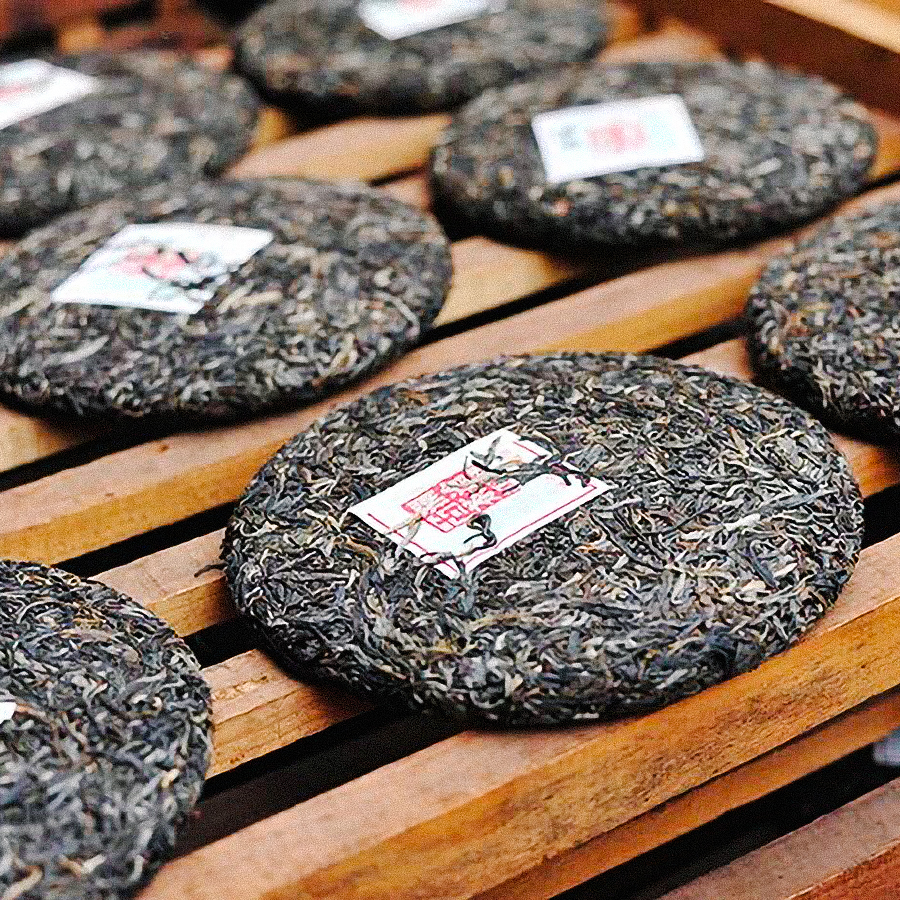
Pu Erh tea belongs to the group of so-called “post-fermented” teas that, similar to Chinese green tea, are first withered, roasted and then rolled. Traditionally, Pu Erh is only heated to a relatively low temperature and slowly, gently dried in the open air. Central to the production of Pu Erh is the period of fermentation after the leaves have been pressed into cake form. Naturally occurring bacterial cultures present in the environment become enclosed between the leaves and, over the course of months or even decades, the tea’s unique character gradually develops. This differs from the oxidation-based production of teas such as black tea and Oolong, in which the enzymes of the tea plant itself play the central role. In terms of fermentation or ageing, a distinction is made between naturally aged Sheng (“raw”) Pu Erhs, which are stored for many years and often decades, and Shou (“ripe”) Pu Erhs, which undergo an accelerated ageing process through specific additional processing steps. Authentic Pu Erhs are produced exclusively from the leaves and buds of tea trees native to China’s Yunnan province, many of which grow wild. Particularly well-aged vintage Pu Erhs from specific growing areas or harvest years can command extraordinarily high prices and are not readily available even on the Chinese market.

Yoshien Labortests

Laboratory Tests

We go to great lengths to identify the finest organic tea farms across the world’s most celebrated terroirs. All our teas are sourced directly from the farmer and, with a few exceptions, are certified organic or come from pesticide-free farms. Each batch of tea for every harvest is tested for pesticides and other pollutants in an independent German lab to ensure they meet our strict quality standards as well as HACCP food safety requirements.

Yoshien

Yoshi En

World's Finest Organic Teas

Our comprehensive portfolio focuses on organic, single-origin teas sourced directly from renowned farms. We believe in creating partnerships with farmers who share our values and are committed to sustainable, responsible tea cultivation. Thanks to these strong relationships our exciting range is constantly growing and evolving. As an international team of dedicated and passionate tea experts, we are committed to preserving centuries-old tea culture while ensuring it remains relevant and continues to bring joy in the present. About Yoshi En.

Cultivation & Processing

Special features in location, cultivation and processing

The production of Pu Erh follows a specific process, beginning with the harvest season in late March or early April. The leaves are always picked by hand; for particularly tall tea trees, ladders are set up to reach the more remote branches. For high-quality grades such as this, only the bud and the first two leaves are plucked. Harvesting takes place in the early morning through to midday.

As the trees grow some distance from the village centre, the leaves are collected in large bamboo baskets and then transported back to the tea farmer. There, the leaves are spread out to wither. Depending on the weather conditions, this takes place either outdoors in the open air or indoors under shelter. The leaves are laid out on withering trays and dried with the aid of fans, or outside in the sun on cloths. The withering process lasts several hours, during which moisture gradually evaporates from the leaves, preparing them for the next step of heating and shaping.

The halting of oxidation (“kill green”) is carried out in large woks traditionally fired with wood. Batches of around 1 kg are roasted for 30–45 minutes and turned regularly throughout. This step is similar to that used in the production of conventional green tea, with the key difference that the heat applied is somewhat lower. Not all of the enzymes responsible for oxidation are eliminated during this process, allowing the tea to continue ageing under the influence of enzymatic activity. This ongoing transformation in flavour is one of the great distinctive qualities of Sheng Pu Erh.

After roasting, the leaves are rolled mechanically in a specialised rolling machine. This replicates the original artisanal technique, in which the leaves were tightly rolled by hand into balls and pressed firmly over woven bamboo mats. During this process, the cell walls of the leaves are gently broken down and the tea juices are released.

As the leaves are still very moist after rolling, they must be dried once more, either outdoors or indoors in wet weather.

In the final stage, the leaves are shaped into their spherical form. They are briefly steamed to make them pliable, then weighed and portioned before being rolled by hand into small tea balls. Finally, the tea undergoes a last stage of drying.

Centuries-Old Pu Erh Trees

The tea plants used for Pu Erh are indigenous, large-leaf varieties that are traditionally cultivated in a semi-wild manner. Unlike the conventional tea plants most widely grown around the world, the Pu Erh cultivar does not grow as a low shrub but as a tree, capable of living for several thousand years. Scientific study suggests that this cultivar is the common ancestor of all other types of tea. It is native to the four-border region of China, Vietnam, Laos and Myanmar, with the Chinese part located in Yunnan province. As the earliest attempts at cultivating tea are most closely associated with Yunnan’s history, the people of Yunnan fondly refer to their homeland as the “cradle of all tea”. In Yunnan’s tea forests, no two tea trees are alike. Each develops its own individual growth pattern and is covered with distinct mosses and fungal cultures, meaning that every tree produces its "own" unique tea. The older the tree, the deeper its roots extend into the earth and into deep layers of rock and stone, allowing it to absorb minerals and trace elements that are then passed on to the leaves and buds. For this reason, teas from these wild-growing ancient tea trees are considered especially precious and are highly sought after.

Preparation

Brewing Guide

1 tea pearl (5g) per 200–300ml water, 100°C. Steep for 1–2 minutes.

A first short infusion (5 seconds) is used to open the leaves for the subsequent infusions and is not consumed.

Classic Pu Erh preparation / Gong Fu:

For this method, a Gaiwan or small teapot (up to 150ml) is used. The amount of tea can be slightly higher (7g). At a temperature of 100°C and initially short steeping times of 15–30 seconds – gradually extended with each subsequent infusion – more than 10 infusions are possible. With this preparation method as well, we recommend first awakening the leaves with a brief rinse.

Packaging

Packaged in a high quality, airtight, resealable standing zipper pouch with 9 protective layers to preserve flavour and protect against oxidation and contamination.

Recommended Teapot

Traditionally, smaller clay teapots are used for preparing Pu Erh tea. In more recent times, however, classic Gaiwans have also become a popular choice.

Recommended Tea Caddy

We recommend Chinese tea caddies made of porcelain or clay for an especially stylish storage option. Alternatively, a more affordable, internally-coated airtight tea caddy is also suitable. To further age the tea, store at room temperature with a controlled humidity of 50-70%.

Test results

We find it very important that our teas are pure and produced in a way that respects the environment. For this reason, each one of our teas is tested for pesticide residues by an independent laboratory, the results of which can be found here. Some of our teas are also tested for specific nutritional compounds, in which case the test results are also published here.
Test results

Our recommendations

Loading...
The image could not be loaded.